
Who Is Vladimir Putin?
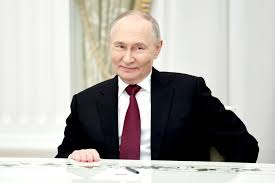
Vladimir Putin is the long-time leader of Russia — a politician whose influence inside Russia and on the global stage spans decades. As of 2025, he remains a central figure shaping geopolitics, national policy, and global power dynamics.
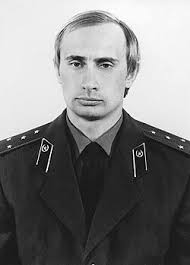
Born in Leningrad (now Saint Petersburg), Putin rose from a background in Soviet-era security services to become one of the most powerful statesmen of modern times. Over his career, his leadership style, foreign-policy decisions, and domestic governance have left a lasting, complex legacy.
Quick Facts — Putin at a Glance
Attribute Detail
Full Name: Vladimir Vladimirovich Putin
Position: President of Russia (multiple terms)
Background: Former Soviet security services (KGB)
Known For: Strong central leadership, assertive foreign policy, powerful influence on global geopolitics
Influence Domestic governance, energy politics, security & defense, international diplomacy
Rise to Power & Political Career
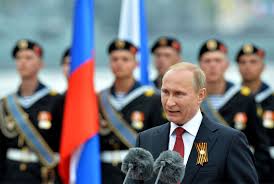
- Putin’s early career was in the Soviet security structure. This background instilled in him a sense of order, discipline, and a security-first worldview.
- Over time, he entered Russian politics and gradually rose through ranks — eventually becoming President. His leadership consolidated power in the executive, giving him control over key state institutions, foreign policy, and national strategy.
- Throughout different political phases, Putin has maintained influence by adapting — balancing traditional power structures with modern geopolitical demands, ensuring Russia retains global significance.
Global Influence & Geopolitical Role
Why Vladimir Putin remains a central global figure:
- Energy & Natural Resources — Under his rule, Russia often leverages its natural-resource strength (oil, gas) as a geopolitical tool, influencing energy markets and global supply.
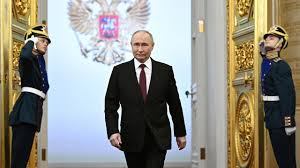
- Strategic Foreign Policy — Russia under Putin is a global power player. Through alliances, military strategies, and diplomacy, Putin shapes regional and global security dynamics.
- Assertion of National Sovereignty — Putin emphasizes national identity, sovereignty, and Russia’s independent path in global affairs, often challenging Western influence and global power structures.
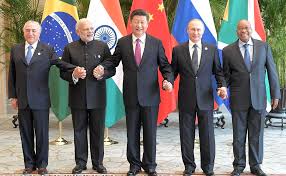
- Global Diplomacy & Conflict Dynamics — As Russia interacts with other global powers under Putin, many international events and decisions pivot around his leadership — making him a critical actor worldwide.
Controversies, Criticism & Domestic Challenges
Vladimir Putin’s legacy is deeply contested, and his rule has been subject to significant criticism, including:
- Political Centralization & Suppression of Dissent: Critics argue that under Putin, political pluralism has weakened; media and opposition voices often face restrictions, reducing democratic space.
- Human Rights and Civil Liberties Concerns: Allegations about curbed civil freedoms, limitations on free speech, and constraints on political opposition have drawn global and domestic criticism.
- International Sanctions & Economic Tensions: Some of Russia’s external policies have resulted in international sanctions, affecting Russia’s economy, trade relations, and foreign investments — bringing pressure on domestic stability.
- Global Isolation and Diplomatic Strain: Aggressive foreign-policy moves and confrontations with other nations have sometimes led to diplomatic tensions, risking long-term global relationships.
Why Putin Remains Central in 2025 & Beyond
Even after decades in power, Vladimir Putin remains relevant and influential because:
- Consistency & Continuity: His long tenure provides continuity in Russian policy, making Russia predictable in many aspects — for allies and rivals alike.
- Adaptability in Global Shifts: As global power dynamics shift, Putin’s Russia adapts — whether through diplomacy, energy leverage, or strategic alliances — ensuring Russia stays relevant.
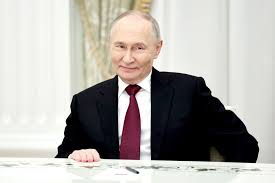
- Symbol of Russian Identity & State Strength: For a significant portion of the Russian population and leadership base, Putin symbolizes national strength, pride, and sovereignty — which sustains his domestic support.
- Global Power Broker Role: Given his grip over Russia’s military, resources, and foreign policy — Putin remains a power broker whose decisions can shift global geopolitics, peace or conflict, and international alliances.
For more : www.trendingtrendy.com